
The plumbing system is the circulatory system of the home, quietly delivering fresh water and whisking away waste through a complex network of pipes, valves, and fixtures. Most homeowners only think about their Lancaster plumbing when a crisis occurs, such as a burst pipe in the middle of the night or a stubborn clog that renders a bathroom unusable. However, reactive repairs are almost always more expensive and stressful than a consistent maintenance routine. By taking a proactive approach to your home’s pipes, you can prevent minor issues from escalating into major water damage, ensuring your household runs smoothly and efficiently.
Vigilance Through Visual Inspections
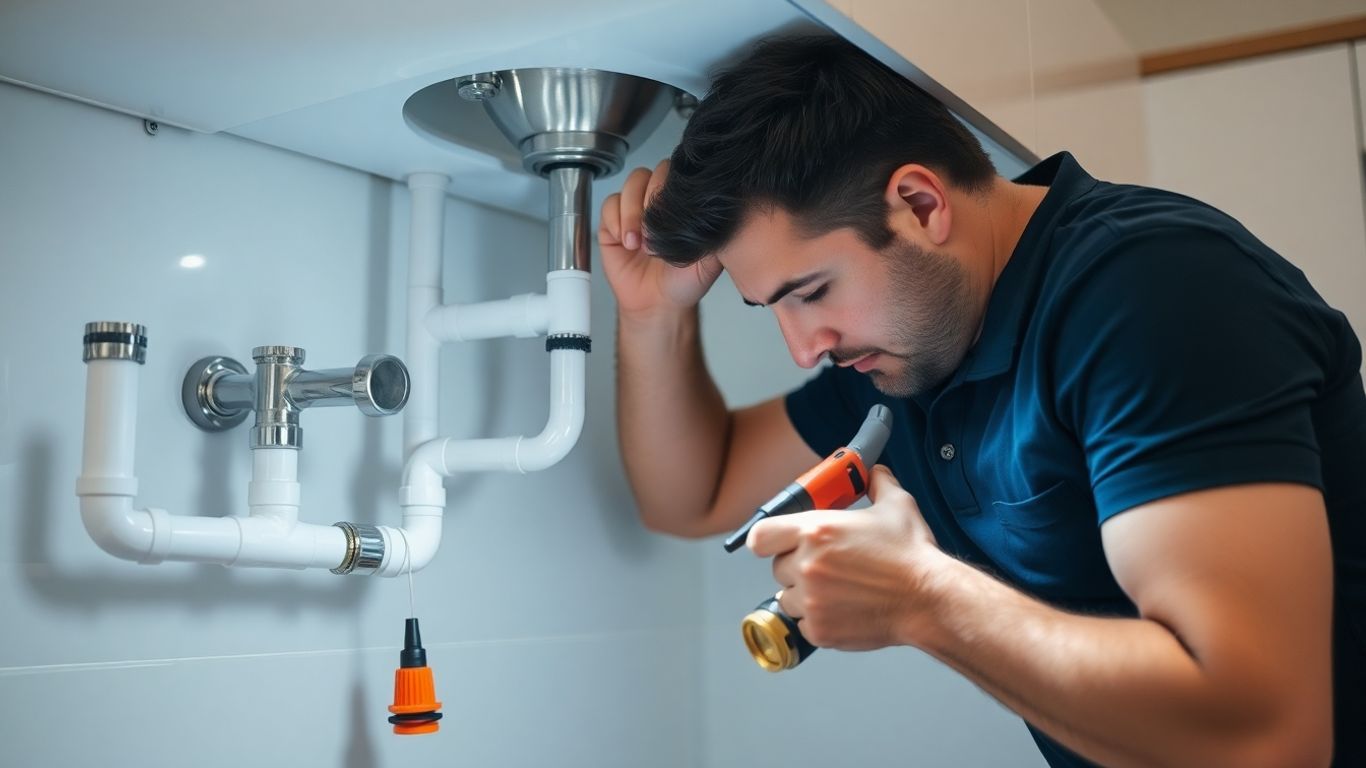
The first line of defense in plumbing maintenance is a regular visual walkthrough of your property. Small leaks often start as slow drips that are easy to ignore but can lead to significant mold growth and structural rot over time. Periodically check under kitchen and bathroom sinks for dampness, water stains, or a musty odor. Examine the base of your toilet for any signs of rocking or moisture, which could indicate a failing wax ring.
External inspection is equally important. Check your water heater for signs of corrosion or sediment buildup around the pressure relief valve. If you notice a sudden, unexplained increase in your water bill, it may be a sign of a silent leak in a crawlspace or behind a wall. Catching these discrepancies early allows for simple gasket or seal replacements rather than a complete overhaul of the fixture.
Protecting Your Drains and Disposal
Clogs are the most frequent plumbing headache, yet they are largely preventable through mindful habits. In the kitchen, avoid pouring fats, oils, or grease down the drain, as these substances solidify when they cool and create a sticky trap for other debris. Use strainers in all sinks and tubs to catch hair, soap scum, and food particles before they enter the pipes.
If you have a garbage disposal, remember that it is designed for light food scraps only; fibrous materials like celery or starchy items like potato peels can easily jam the blades or clog the drain line. Regularly flushing your drains with hot water can help clear away minor buildup. Avoid using harsh chemical cleaners, as the caustic ingredients can eventually eat away at your pipes, leading to pinhole leaks that are difficult to detect until the damage is extensive.
Managing Water Pressure and Hard Water Issues
While high water pressure might feel great during a shower, it can be incredibly destructive to your plumbing system. Excessive pressure puts constant stress on joints, valves, and appliance hoses, significantly shortening their lifespan. If you suspect your pressure is too high, you can test it with a simple gauge attached to an outdoor spigot; a healthy range is typically between forty and sixty-five pounds per square inch.
In many regions, hard water—which contains high levels of minerals like calcium and magnesium—is a silent enemy of plumbing. These minerals create scale buildup inside pipes and water heaters, reducing efficiency and eventually restricting flow. If you live in a hard water area, consider flushing your water heater annually to remove sediment and installing a water softener to protect your fixtures and extend the life of your dishwasher and washing machine.
Conclusion
Residential plumbing maintenance is not about mastering complex mechanical skills, but rather about developing a habit of observation and care. By performing regular inspections, being cautious about what enters your drains, and monitoring your water quality, you can save thousands of dollars in emergency plumbing costs. A well-maintained system provides peace of mind, knowing that your home is protected from the silent threat of water damage. Taking these small steps today ensures that your pipes remain clear and your water continues to flow reliably for many years to come.
About the Author


